A stadium named after a war, in a city that trades with the other side.



The Argentine City That Looks West
I thought I understood the shape of Argentina before this conversation. Buenos Aires on the Atlantic, the pampas behind it, Patagonia trailing off to the south, and somewhere out west a wine region I could name one grape from .Then I spent half an hour with Agustín, who grew up in Mendoza, and the map turned ninety degrees.Mendoza sits at the far western edge of the country, pressed up against the Andes. It is a thousand kilometres from Buenos Aires and about three hundred and sixty from Santiago de Chile. That single ratio explains more about the place than anything else I could tell you — and once you know it, three things about Mendoza that seem strange start to make complete sense.
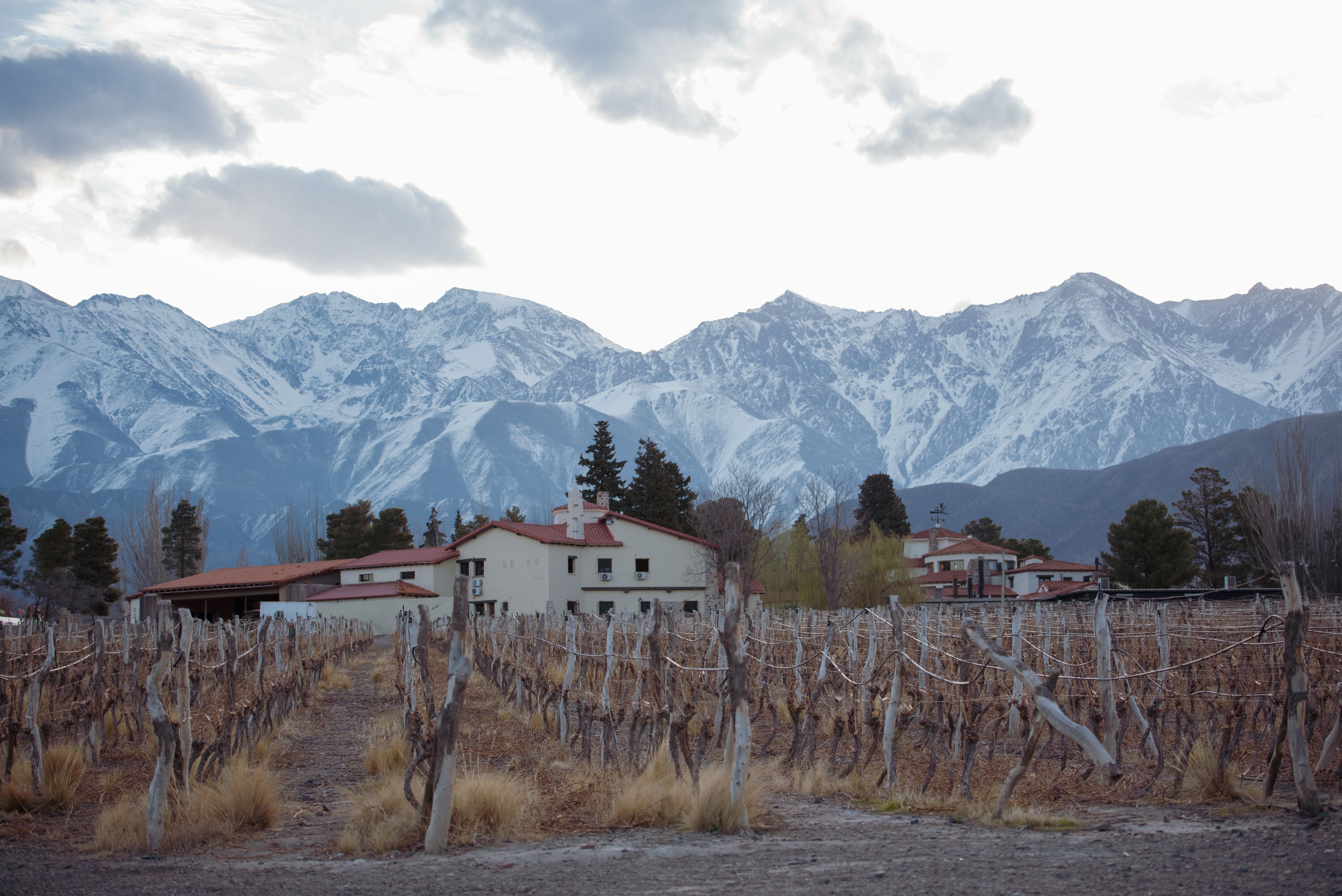
Mendoza Province - Via Pexels
I. It is a desert, and everybody knows it
The first thing Agustín wanted me to understand was not the wine. It was the water. Mendoza is dry. Not dry in the way a city has a dry season, but dry as a permanent condition — a semi-arid plain that gets a few hundred millimetres of rain a year and takes almost everything else from snowmelt coming off the mountains. The vineyards, the poplar-lined streets, the parks, the entire green surface of the province is an argument being won against the landscape, and it has to be re-won every year.
The way that shows up in a person is what got me. Agustín talks about water the way someone raised in a fishing town talks about weather: constantly, unconsciously, with an attention that isn't performed. A running tap in the next room is not a minor thing. Leaving one on isn't wasteful, it's rude — a small failure of citizenship. When you grow up somewhere that had to build irrigation channels before it could build a city, and where those channels still run open along the pavement where you can see them, water stops being a utility and becomes something closer to a shared civic project you were born into.
ll. The Accent gives it away
Here is the detail that made me stop the conversation and ask him to repeat it.Mendocinos don't sound the way you expect Argentines to sound. To an outsider — and, more tellingly, to other Argentines — the Mendoza accent leans Chilean. The rhythm sits differently, the vowels land differently, and there's a vocabulary that simply doesn't travel. Donde topa. Pileta. Choco. Pandito. Say some of these in Buenos Aires and you'll get a blank look or a smile.
The obvious explanation is the mountains, and the mountains are half of it. But the better explanation is administrative. Until 1776, Mendoza wasn't governed from Buenos Aires at all — it was part of the Captaincy General of Chile, run from Santiago, on the other side of the Andes. It only became part of the Viceroyalty of the Río de la Plata in the last decades of colonial rule. Two and a half centuries of belonging to the other side doesn't wash out of a place in a couple of generations, and it certainly doesn't wash out of how people speak.
So the accent isn't a quirk. It's a fossil. It's the sound of a city that spent most of its life facing a different capital. And it's not only history. The relationship with Chile is a live, working one — trucks over the pass, goods moving both directions, families and business on both sides of a border that is a mountain range rather than a line on a map. Agustín describes crossing to Chile with the casualness I'd use for taking a train to Taichung. Buenos Aires, meanwhile, is the far end of a very long country. He talks about the capital the way you might talk about a relative who assumes their opinions are everyone's.
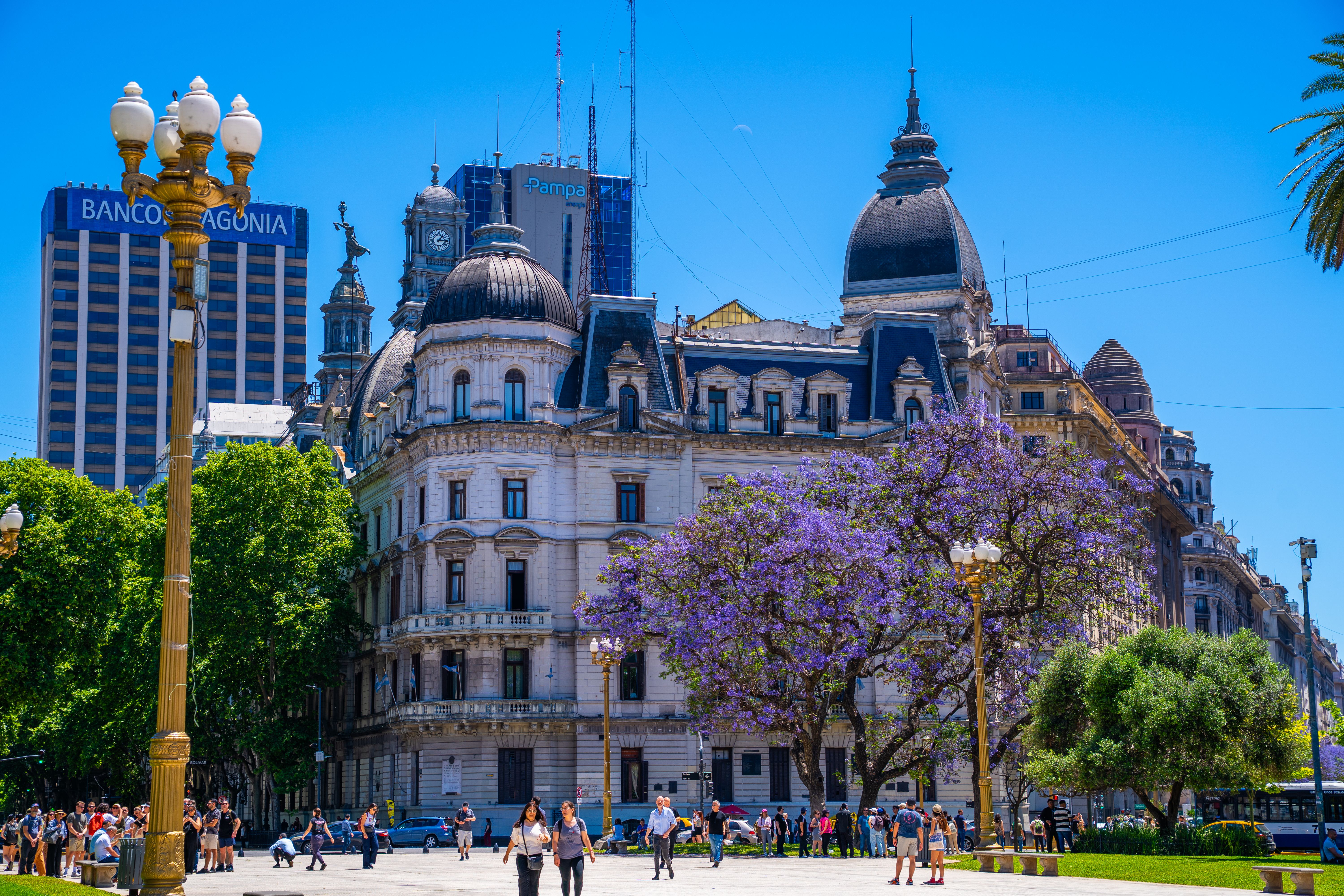
Buenos Aires- Via Pexels
lll. Then there is football, which complicates everything
If Mendoza is comfortable looking west, there's one subject where the border snaps shut.
In 1982, during the Malvinas war, Chile under Pinochet quietly helped the British — radar, intelligence, a hostile neighbour making itself useful to the other side. It's a well-documented piece of the war and it sits in Argentine memory in a way that outsiders underestimate. Mendoza's main stadium, built for the 1978 World Cup, is called Estadio Malvinas Argentinas. It was renamed after the war. A city that trades daily across the Andes plays its football in a ground named for a conflict its neighbour helped it lose.
I don't think there's a contradiction there so much as a demonstration of how much a place can hold at once.
Which brought us, inevitably, to Maradona and Messi. I've had this argument in four countries and it always runs the same way until an Argentine is in the room, at which point it stops being about numbers. The word Agustín reached for was mística. Not skill, not trophies — mystique, aura, the sense of a figure who carries something beyond what he does with the ball. It isn't a metric you can settle with a statistics page, which is exactly why the argument never ends and why the answer sounds obvious to Argentines and unfalsifiable to everybody else.
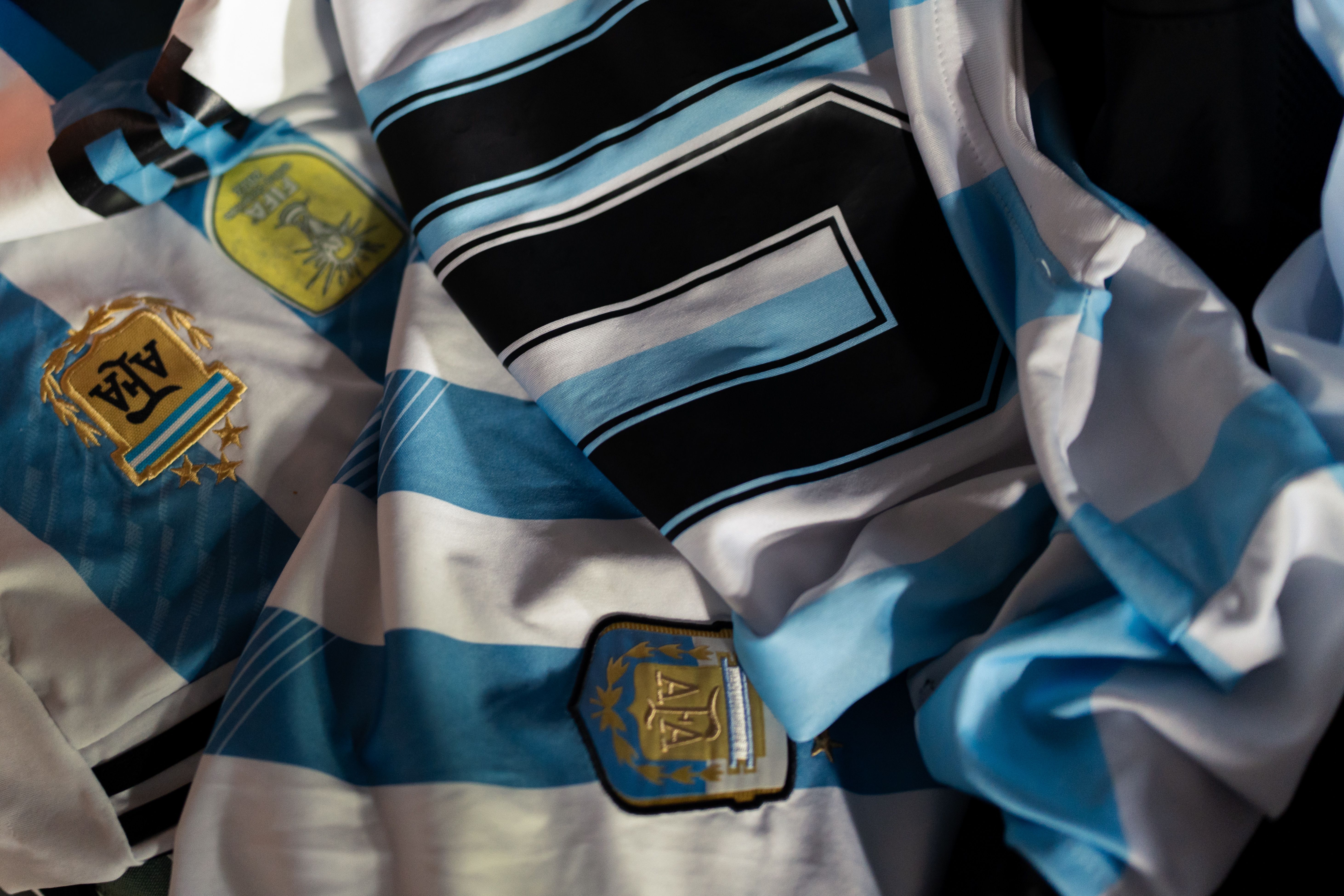
Numéro Dix in Argentina - Via Pexels
What I took away
I came to this conversation wanting to know about a wine region and left with something more useful: a reminder that "a country" is a convenient fiction we use for places that are actually arguments between regions.
Mendoza is Argentine. Nobody there is confused about that. But it's Argentine in its own direction — facing the mountains, counting its water, speaking with a borrowed rhythm, and holding a grudge and a trade route with the same neighbour at the same time. Ask someone from the middle of a country what it's like, and you get the official version. Ask someone from the edge, and you find out how it actually works.
That's most of why I make this show.